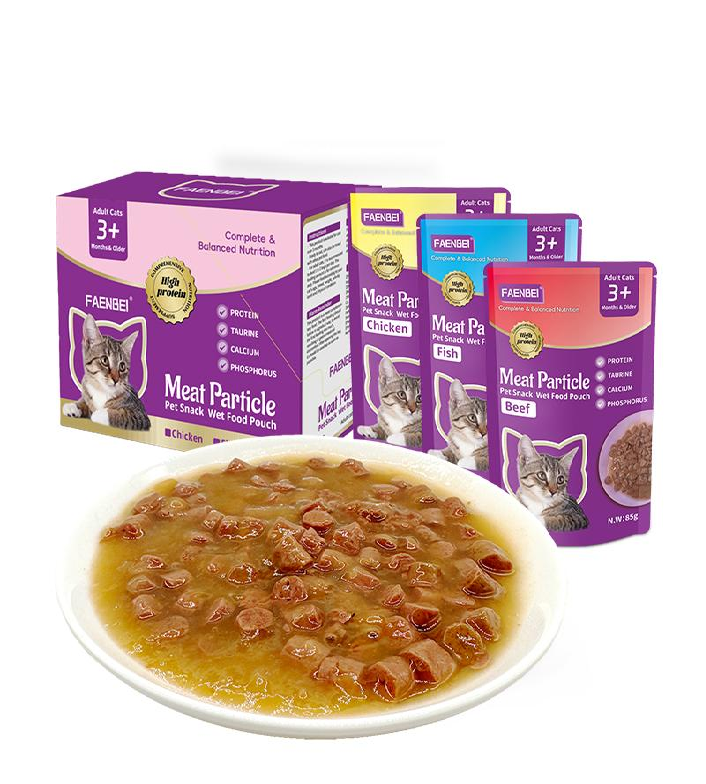
The Complete Guide to Cat Food Manufacturing Process: How Cat Food is Made
The pet food industry has witnessed significant growth in recent years, with cat food production becoming increasingly sophisticated. Understanding the cat food manufacturing process reveals how manufacturers ensure safety, nutrition, and quality in every can. This article explores the key stages of cat food production, from raw material selection to final packaging, highlighting the stringent standards that govern this essential pet product.
Raw Material Selection and Quality Control
The foundation of high-quality cat food begins with meticulous ingredient sourcing. Manufacturers prioritize human-grade meats like chicken, turkey, and fish, which must meet strict safety criteria before entering the production line. Each batch undergoes comprehensive testing for contaminants, including:
- Microbial screening (Salmonella, E.coli)
- Heavy metal analysis (Lead, Mercury)
- Moisture content verification
- Freshness assessmentsAdvanced traceability systems allow suppliers to track meat back to approved farms, ensuring consistent quality. Vegetarian options use plant-based proteins that undergo similar rigorous testing to meet feline nutritional needs. By maintaining these standards, producers create cat food that pets enjoy while owners trust.
Formulation and Nutritional Balance
Creating nutritionally complete cat food requires precise formulation based on established guidelines. Key considerations include:
- Life-stage requirements (Kitten, Adult, Senior)
- Special dietary needs (Weight management, Sensitive digestion)
- Essential nutrient ratios (Taurine for cats, Omega-3s)
- Palatability factorsNutritionists blend ingredients to achieve optimal protein levels while incorporating vitamins and minerals. AAFCO-compliant formulas undergo feeding trials to confirm digestibility and safety before scaling up. This scientific approach ensures each can delivers balanced nutrition tailored to feline health requirements.
Production Process Overview
The cat food manufacturing process involves several stages:
- Blending: Meats are combined with grains, vitamins, and minerals in precise ratios
- Mixing: Ingredients are thoroughly blended to create a homogeneous mixture
- Filling: The mixture is portioned into cans or pouches
- Sealing: Containers are hermetically sealed to prevent contamination
- Sterilization: Products undergo heat treatment to eliminate pathogens
- Cooling: Sealed containers are rapidly cooled to preserve quality
- Labeling: Each unit receives identifying information
- Packaging: Final products are grouped for distribution Automated systems ensure consistency throughout these stages, with quality control checkpoints at every phase. Modern facilities maintain strict hygiene protocols to prevent cross-contamination.
Sterilization and Safety Protocols
Sterilization is a critical step in cat food production. The process typically involves:
- High-temperature processing (121°C for 20-40 minutes)
- Pressure testing to verify can integrity
- Microbiological sampling for post-sterilization checks These methods achieve commercial sterility, allowing unrefrigerated storage without preservatives. Stringent safety protocols exceed regulatory requirements, ensuring pet food safety from factory to bowl. Regular audits confirm compliance with international food safety standards.
Packaging and Distribution
The final stage focuses on presentation and logistics:
- Material selection: Food-grade cans with protective liners
- Labeling requirements: Clear ingredient lists and feeding instructions
- Storage conditions: Climate-controlled environments
- Distribution networks: Efficient supply chains to retailers Sustainable packaging options are increasingly available, reflecting environmental awareness. Properly executed, this stage ensures cat food arrives in perfect condition for feline consumption.
Conclusion
The cat food manufacturing process demonstrates how modern technology and strict quality control combine to create safe, nutritious products. From farm-grade ingredients to final packaging, each step prioritizes feline health and owner satisfaction. By understanding these production standards, consumers can make informed choices about their pets’ nutrition while appreciating the care invested in every can of cat treat.